
Small Scale Compost Fertilizer Production Plant
Usage: The production of Compost fertilizer
Production capacity: 1-10 TPH.
Raw materials: Compost Organic Waste, Animal Waste, Additives, etc.
Introduction
Small scale compost fertilizer plants are designed to convert organic waste such as animal manure, agricultural residues, food waste, and biodegradable materials into nutrient-rich organic fertilizer through controlled biological decomposition. These plants are ideal for rural enterprises, farms, municipalities, and small industries, offering a low-investment and environmentally sustainable solution for waste management and soil enrichment.
The process primarily involves aerobic composting followed by mechanical processing such as crushing, mixing, and screening to produce a uniform, market-ready fertilizer. Unlike large industrial fertilizer plants, these systems are simplified, energy-efficient, and require minimal automation, making them suitable for capacities ranging from 1–10 tonnes per hour or 5000–45000 tonnes per year depending on design and raw material availability.
A typical small-scale compost fertilizer line focuses on fermentation, particle size reduction, homogenization, and grading, without complex granulation stages. This makes the system cost-effective, easy to operate, and flexible, while still delivering high-quality organic fertilizer that improves soil structure and nutrient content.
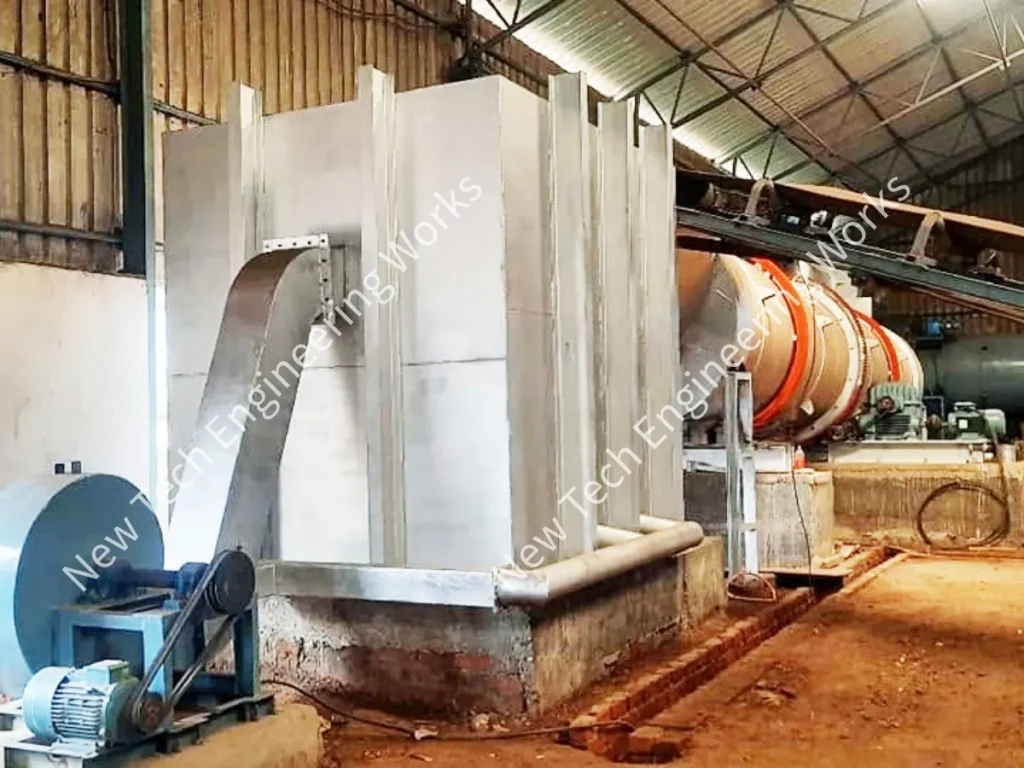
Plant Equipment Images
Production Process
Receiving & storage — open or covered yard for organic waste (manure, crop residues, food waste); segregation of non-biodegradable materials; moisture control through watering systems and proper drainage.
Composting / fermentation — aerobic decomposition using windrow method or compost turner; regular turning ensures oxygen supply, temperature control (~55–65°C), and uniform decomposition.
Crushing — semi-wet material crusher or vertical crusher reduces compost lumps into fine particles for better handling and uniformity.
Mixing — horizontal or double-shaft mixer blends compost with additives such as bio-cultures, lime, or rock phosphate to improve nutrient value and consistency.
Screening — rotary drum screener or vibrating screen separates fine powder from oversized particles; coarse material is sent back to crusher for reprocessing.
Drying (if required) — natural sun drying or small rotary dryer reduces excess moisture to meet storage and packaging specifications.
Recycling loop — oversized particles from screening are continuously recycled back to crushing to maintain uniform particle size and improve yield.
Packaging & storage — semi-automatic or automatic bagging (25–50 kg); storage in a dry, ventilated warehouse to prevent moisture absorption and nutrient loss.
Description
The Mini Compost Fertilizer Production Plant can be integrated with a compost fertilizer machine and other essential processing equipment to improve production efficiency and fertilizer quality. It can also be combined with a fertilizer blending plant for preparing customized nutrient formulations based on specific crop requirements. For entrepreneurs and small-scale manufacturers, the small fertilizer plant cost in India remains relatively affordable compared to large industrial setups, making it an attractive investment. With low operating expenses, simple maintenance, and reliable performance, this plant provides an economical and sustainable solution for organic fertilizer production and agricultural waste management.
Technical Specifications
MODEL SERIES
NTEW-SSC-26
POWER INPUT
20 KW – 100 KW
Voltage Requirement
380–440V AC, 3 Phase
PRODUCTION CAPACITY
Varies: 1–10 TPH
Automation Level
Semi OR Fully Automatic
Control System
PLC Automated
LAND REQUIRED
Based on Plant Capacity
WEIGHT
Based on Plant Capacity
CERTIFICATION
ISO 9001:2015 / CE
Finished Products
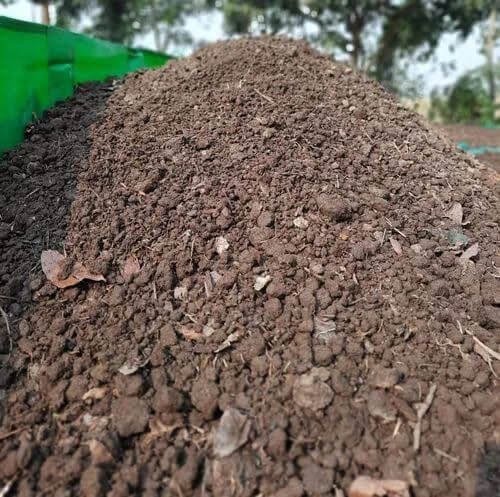
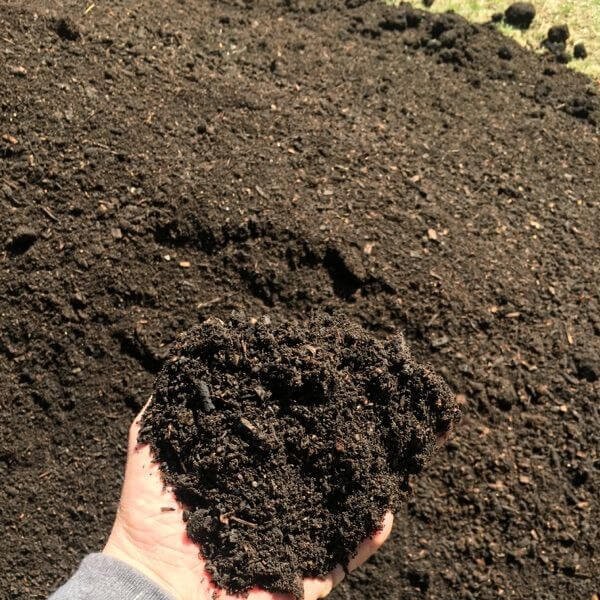
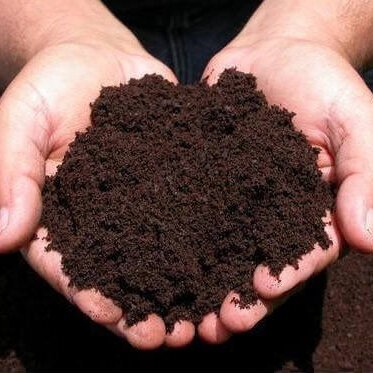
The Mini Compost Fertilizer Production Plant is designed for small-scale and medium-scale fertilizer manufacturers seeking efficient organic waste recycling solutions. The plant converts composted organic materials into high-quality fertilizer with minimal operating costs and space requirements. Its compact design, easy operation, and reliable performance make it suitable for farms, composting units, and fertilizer businesses. The finished fertilizer improves soil health, enhances nutrient availability, and supports sustainable agricultural practices while ensuring consistent product quality and efficient production.
Related Projects
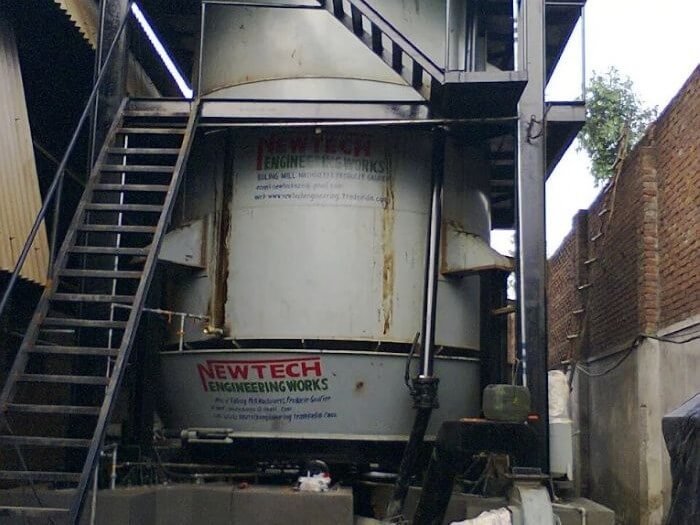
Gasification Plant
Biomass and Coal Gasifiers, Standard and customizable Designs available
Get in Touch
Office & Works
CN-29, Near 66KVA Power House, Rainbow Road, Muzaffarnagar-251003, Uttar Pradesh, India.
Sales & Exports
ntew.india@gmail.com
ntew2006@gmail.com
Contacts
+91 7906999631
+91 9897720435
+91 9760072786