
Organic Fertilizer Production Plant
Usage: The production of Organic Fertilizer, Phosphate Rich Organic Manure (PROM), BOP, MOP Granules.
Production capacity: 3-30 TPH
Raw materials: Potash Powder, Phosphate Rock, Additives, etc.
Granular Shape: Ball type
Introduction
Organic fertilizer production Plant are designed to convert various fermented organic materials—such as livestock manure, crop residues, food waste, and compost—into stable, nutrient‑rich bio‑organic fertilizers. The process typically includes raw material pretreatment (crushing and homogenising), fermentation or composting to stabilise organic matter, granulation (pan, rotary drum, or extrusion granulators), drying and cooling, screening to separate fines and oversized particles, and coating and packaging for storage and distribution. These steps ensure the final product is safe, Odor‑controlled, and easy to apply.
The organic fertilizer production Plant is commonly used to process different fermented organic substances into bio-organic fertilizer. It adopts one-step moulding technology. Animal manure and agricultural waste are recycled as the main raw materials. Manure or dung waste not only creates economic benefits for the enterprise but also makes a great contribution to environmental projects for mankind.
Running Plant Video
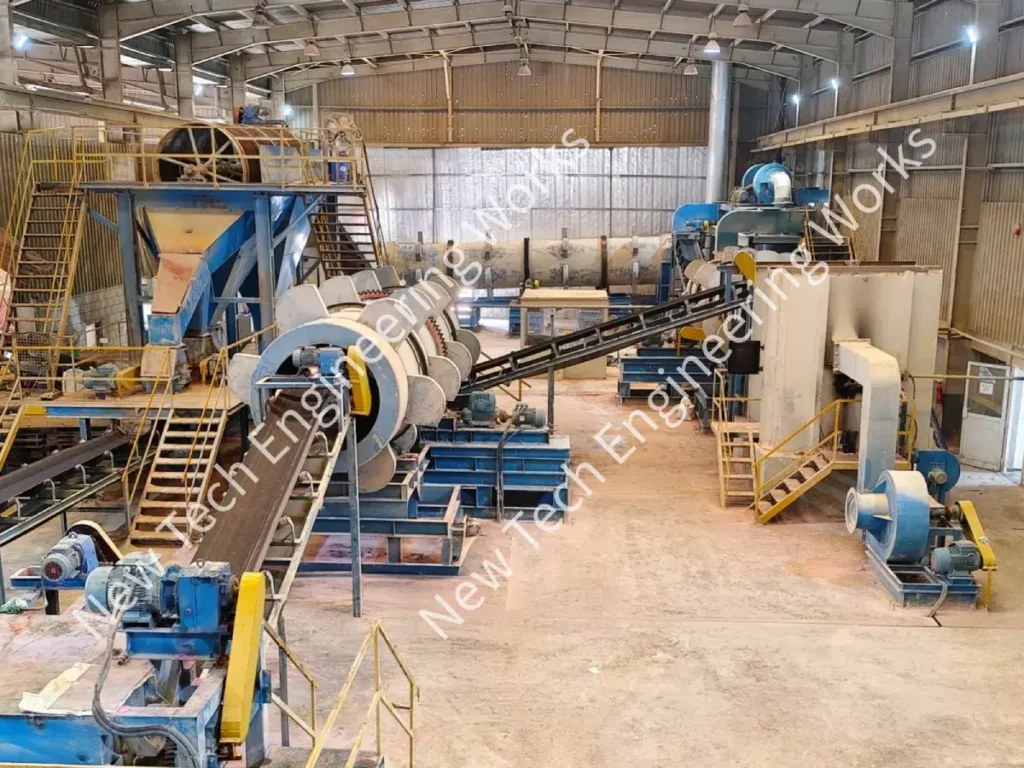
Plant Equipment Images
Production Process
- Receiving & storage — bulk delivery and staging of raw organics (compost, manure, crop residues, bio‑waste); odor control, pathogen screening, and moisture management.
Preprocessing — shredding, destoning, and screening to remove contaminants and reduce particle size for uniform handling.
Single‑hopper feeding & metering — calibrated loss‑in‑weight or volumetric feeder draws homogenized material from one hopper into the process stream for precise throughput control.
Stabilization & maturation — thermophilic composting tunnel or in‑vessel reactor to complete biological stabilization and reduce pathogens; monitored temperature and aeration cycles.
Granulation — Rotary granulator, binders or steam used sparingly to aid agglomeration while preserving biological activity.
Drying & curing — low‑temperature dryers or curing conveyors to set pellets without killing beneficial microbes; controlled cooling to stabilize product.
Screening & recycling — sieves separate fines and oversize; recycled material returned to pelletizer or reprocessed to maintain particle distribution.
Enrichment & coating — addition of bio‑inoculants, humic substances, or slow‑release organic coatings; gentle blending to preserve microbial viability.
Quality control & testing — routine assays for nutrient content, moisture, pH, pathogen absence, and microbial counts; batch traceability and certificate generation.
Packaging & storage — automatic bagging (5–50 kg), big‑bag or bulk loading; climate‑controlled warehouse with pest and moisture protection.
Description
Organic Fertilizer Plants are widely preferred for sustainable fertilizer manufacturing due to their ability to efficiently recycle organic waste into valuable agricultural products. The finished fertilizer improves soil structure, enhances microbial activity, increases water retention, and supports long-term soil fertility. Advanced production systems are equipped with automatic batching, efficient composting units, high-performance granulators, and dust-control mechanisms to ensure consistent product quality and environmentally friendly operation. The plant can be customized to process different organic raw materials and production capacities. Its reliable performance, low operating cost, and eco-friendly design make it an ideal solution for modern organic fertilizer manufacturers.
Technical Specifications
MODEL SERIES
NTEW-ORG-26
POWER INPUT
250 KW – 350 KW
Voltage Requirement
380–440V AC, 3 Phase
PRODUCTION CAPACITY
Varies: 5–30 TPH
Automation Level
Semi OR Fully Automatic
Control System
PLC Automated
LAND REQUIRED
Based on Plant Capacity
WEIGHT
Based on Plant Capacity
CERTIFICATION
ISO 9001:2015 / CE
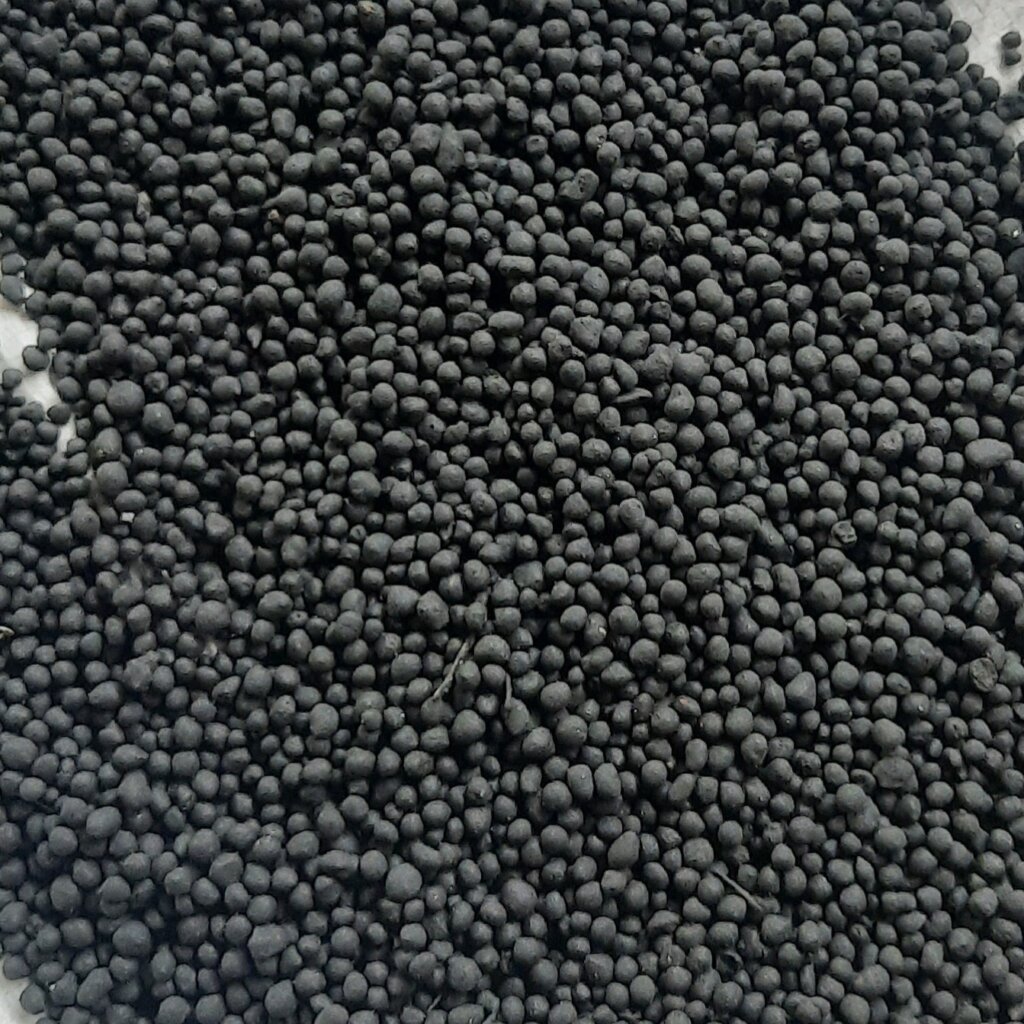
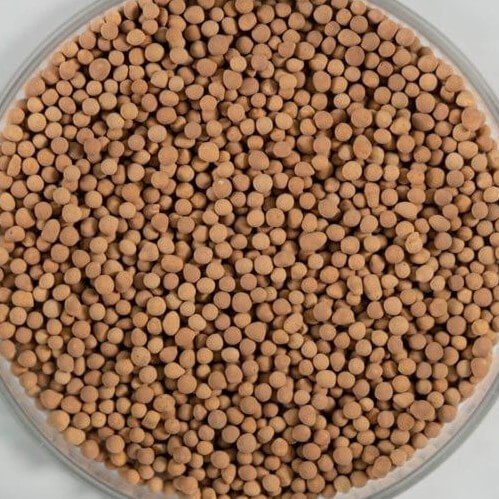
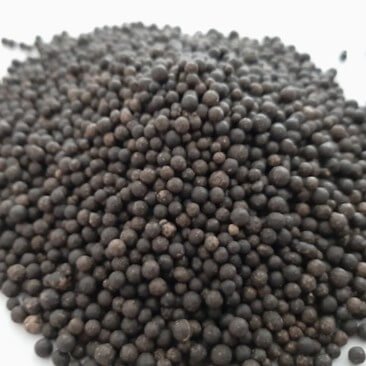
Finished Granules
You can choose granules with different shapes and sizes to meet specific crop and soil requirements. Our production plants support the manufacturing of uniform, high-quality fertilizer granules with excellent strength, appearance, and nutrient distribution.
Related Projects
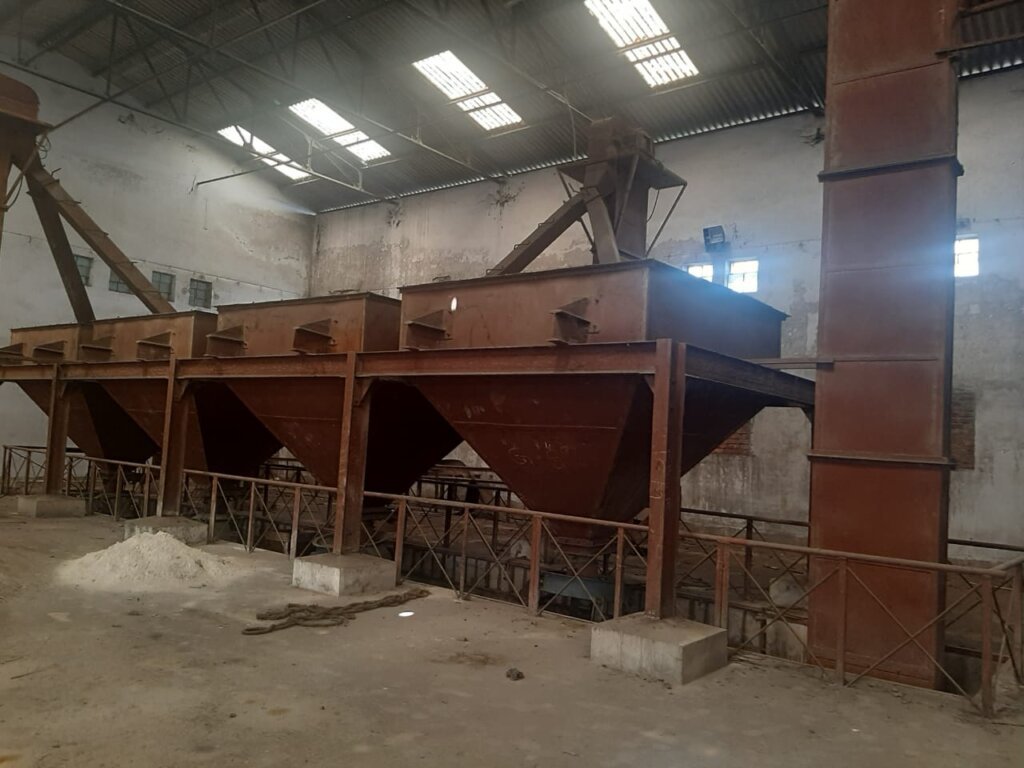
Single Super Phosphate (SSP) Fertilizer Production Plant
Standard and customizable Designs available
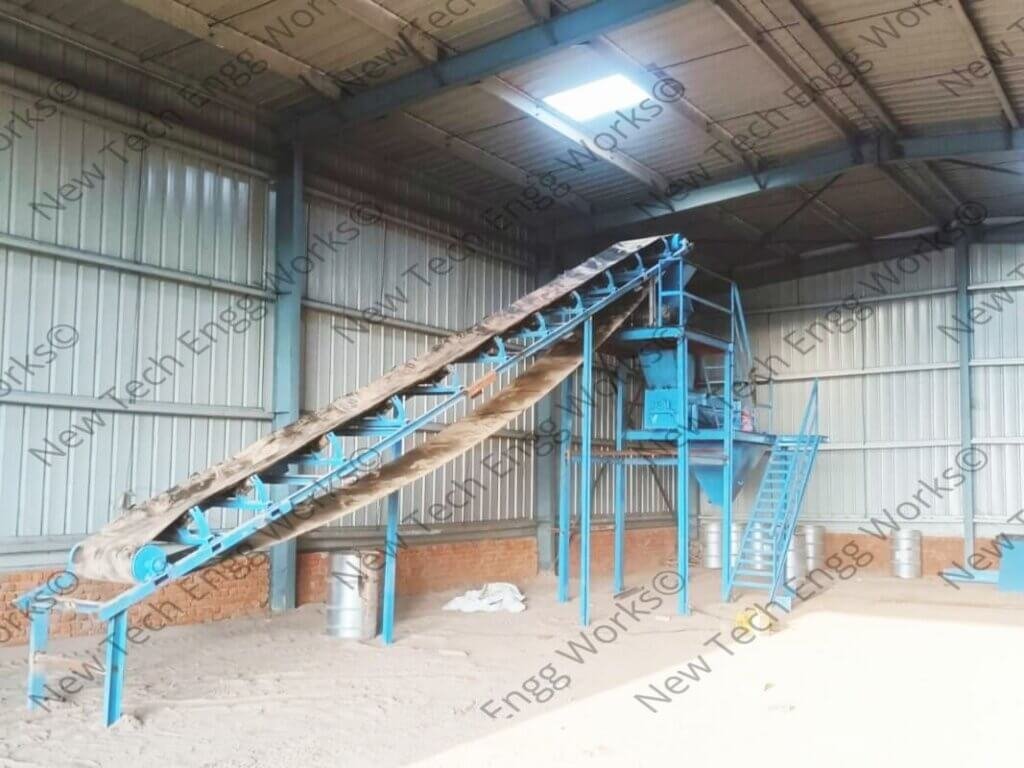
Small Scale Compost Fertilizer Production Plant
Standard and customizable Designs available
Get in Touch
Office & Works
CN-29, Near 66KVA Power House, Rainbow Road, Muzaffarnagar-251003, Uttar Pradesh, India.
Sales & Exports
ntew.india@gmail.com
ntew2006@gmail.com
Contacts
+91 7906999631
+91 9897720435
+91 9760072786